
English for Kids: A Practical Guide for Parents
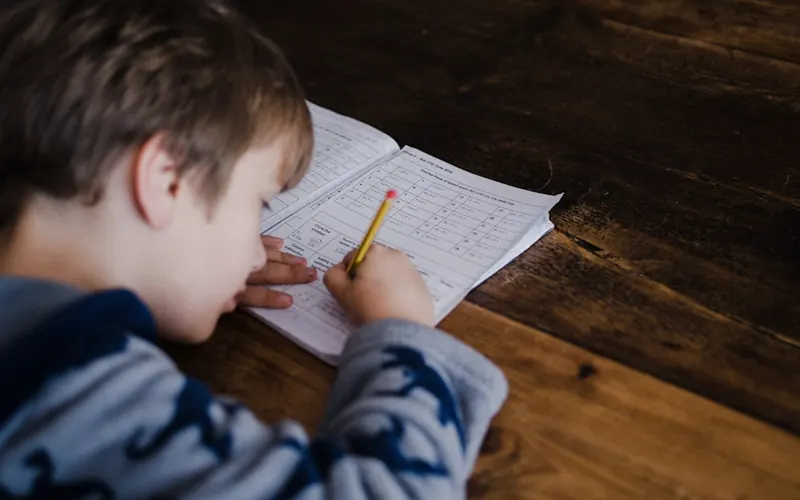
“Years of English at school, and still can’t put two sentences together.” In nine years of teaching I have heard this from hundreds of parents. The problem is usually not the child; it is the system. In crowded classrooms English is taught as a subject to be tested, not a tool for communication. Kids memorize word lists and fill in blanks, but they never actually speak.
So what can you do as a parent? Quite a lot, even if you do not speak English yourself.
The right approach for each age
Ages 8-11: One rule at this age: English must be fun. Cartoons in English, looking up song lyrics together, simple word games; all of this beats memorization by a wide margin. The goal at this age is not grammar. It is building a positive bond with the language. If that bond forms, everything else follows; if it does not, even the best teacher struggles.
Ages 12-14: School pressure grows and exams begin. The key here is using the child’s own interests: if they game, switch the game’s language to English; if they watch YouTube, suggest English channels. Take English out of the notebook and into their world.
Ages 15+: Goals become concrete: grades, university preparation, maybe plans abroad. Teenagers want to know why they are learning. Making the goal explicit works better than any motivational speech.
The three most common parenting mistakes
1. Correcting every mistake on the spot. When your child says “I goed to school” and you interrupt to fix it, what they learn is not the past tense; it is “if I speak, I get corrected.” Soon they stop speaking entirely. Leave correction to the lesson; at home, just listen and respond to the meaning.
2. Comparing them to other kids. “Look how well your friend speaks” has never sped up a single child, but it has slowed down plenty. Language-learning speed varies enormously between children, and the difference has nothing to do with intelligence.
3. Tracking grades instead of ability. Plenty of kids have good English grades and cannot hold a conversation; the reverse also exists. The real question: can your child use English? Do they follow a video they love, can they keep a simple conversation going?
When do private lessons make sense?
Not every child needs them. But one-to-one support makes a real difference in three situations:
- Foundational gaps have built up at school and the gap grows as the class moves on
- The knowledge is there but the speaking confidence is not; they never raise their hand
- There is a concrete goal: an exam, a school change, plans abroad
In a one-to-one lesson a child finds something a classroom can never offer: a space to make mistakes without being judged. In my lessons, the first week usually has a single goal: hearing the child’s voice. Once a child starts speaking, the rest comes surprisingly fast.
Stay involved
If your child takes private lessons, stay in the loop. A good teacher gives you regular feedback: what was covered, what improved, what to do at home. With the families I work with, parents speak with me one-to-one before lessons start, so goals and expectations are clear from day one.
If you would like to talk through your child’s level and needs, you can book a free 30-minute parent consultation on WhatsApp. I will listen to your child’s situation and suggest a realistic plan; there is no obligation to buy lessons.